Short answer
A premium box can stay recyclable if it uses recycled greyboard, FSC-certified paper, a paper or pulp insert instead of foam, water-based coating instead of plastic lamination, and only small areas of foil. Magnets and ribbons should be easy to remove.
Where the plastic hides in a gift box
Most rigid boxes are already 90%+ paper by weight. The non-paper parts are what stop them being recycled: plastic film lamination, EVA or PU foam inserts, PET windows, glued-in plastic trays and large metallic areas.
Swap list
| Instead of | Use | Trade-off |
|---|---|---|
| Film lamination | Aqueous or water-based varnish | Slightly less scuff resistance |
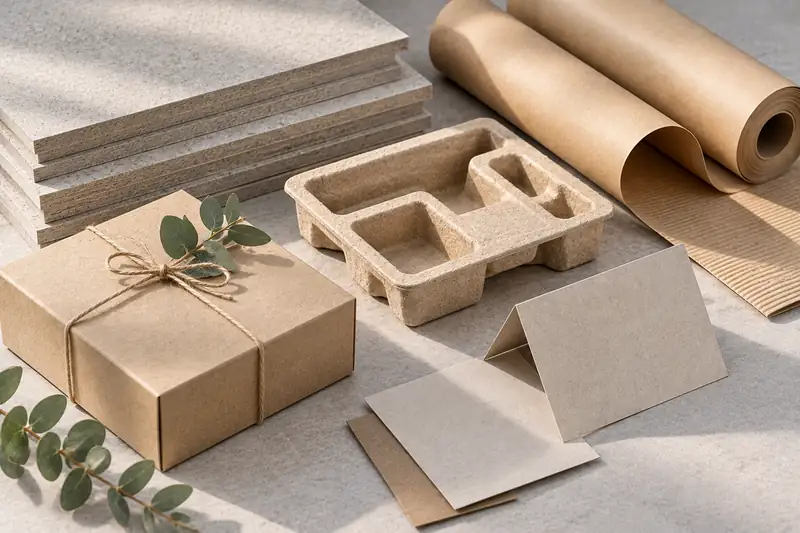
| EVA / foam insert | Folded card or moulded paper pulp | Less cushioning for very fragile items |
| Virgin greyboard | Recycled greyboard | None visible |
| Standard paper | FSC-certified paper | Small cost uplift |
| Plastic window | Die-cut opening or no window | Product less visible |
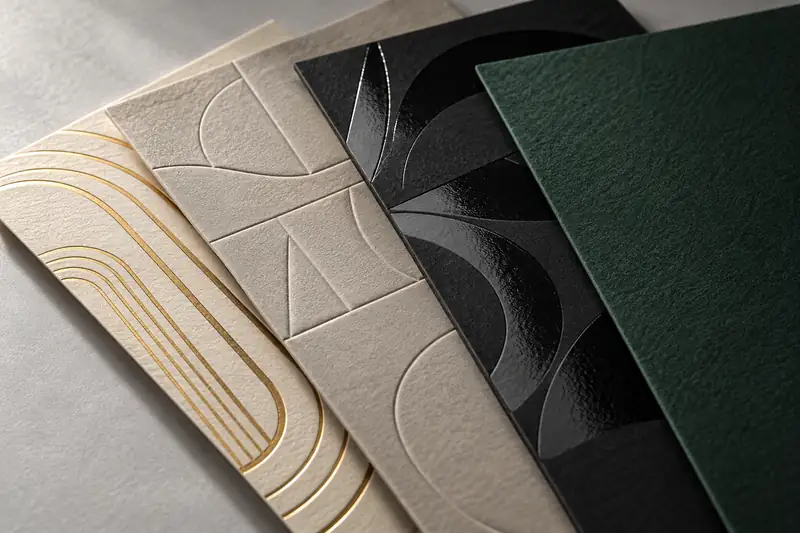
| Full foil panels | Small foil accents or blind emboss | Less shine |
Design for reuse
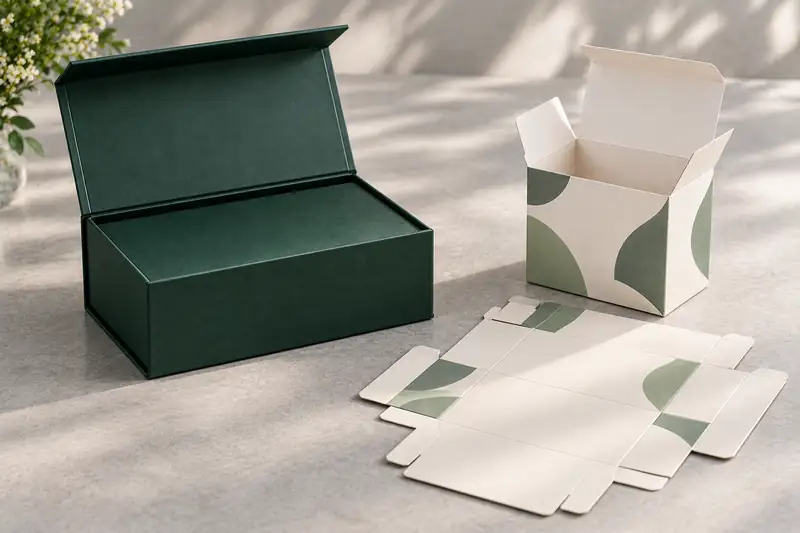
The most sustainable box is the one that is kept. Magnetic and drawer boxes are often reused for storage, and collapsible boxes can be flattened and kept. A sturdy, beautiful box with a timeless design will stay out of the bin longer.
Shipping volume is a sustainability lever
Air is heavy on emissions. Collapsible boxes and flat folding cartons fit many more units into each master carton and container, which cuts freight emissions per unit.
What to put in your brief
- "Plastic-free" or "recyclable in paper stream" as a hard requirement.
- FSC paper if you need the claim on pack.
- Insert type preference: card or pulp.
Browse our eco-friendly packaging range for starting points.